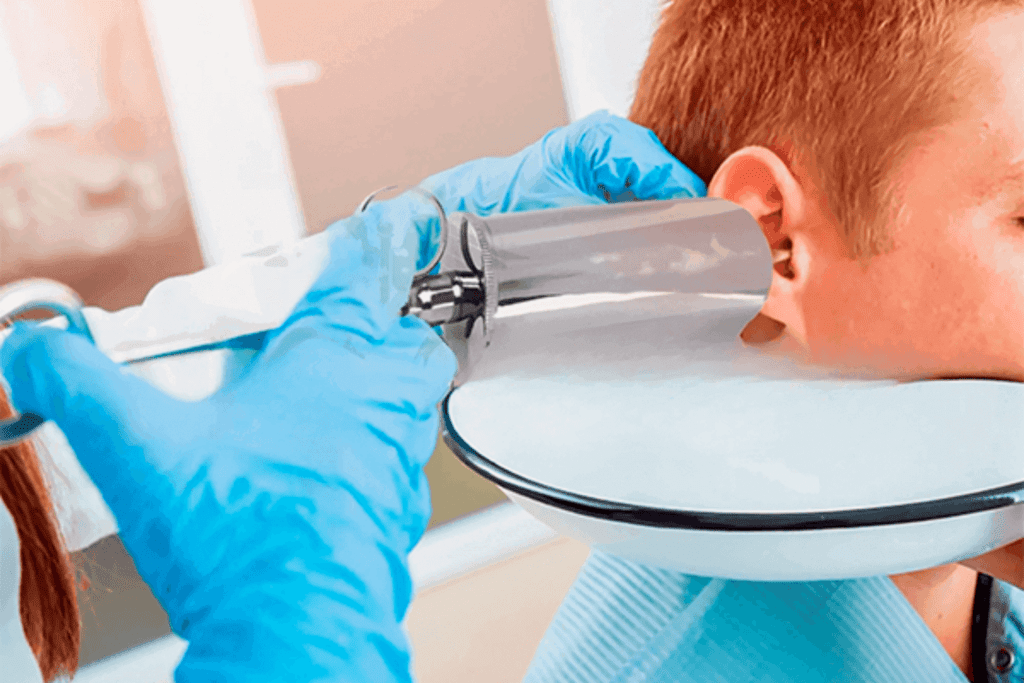
Understanding Ear Syringing Simply
Ear syringing is a common medical method used to remove excess earwax from the ear canal. Earwax, also known as cerumen, is natural and helpful for protecting the ear. It traps dust, dirt, and small particles and keeps the ear healthy. However, when too much earwax builds up, it can cause discomfort, blocked hearing, ringing sounds, or even dizziness. Ear syringing helps clean the ear safely when wax becomes a problem.
This procedure is usually done by a trained healthcare professional using warm water. It is gentle, quick, and effective when performed correctly. ear syringing people feel instant relief after ear syringing, especially if their hearing was reduced due to wax blockage.
Why Earwax Build-Up Happens
Earwax does not always come out on its own. Some people naturally produce more earwax than others. Using cotton buds, earphones, or hearing aids can push wax deeper into the ear canal instead of removing it. Narrow ear canals, aging, and dry earwax can also increase the chance of blockage.
When wax builds up, symptoms may include ear fullness, reduced hearing, earache, itching, ringing in the ears, or balance problems. In such cases, ear syringing may be recommended after proper examination.
What Happens During Ear Syringing
Before ear syringing, a healthcare professional usually checks the ear using an otoscope. This helps confirm that symptoms are caused by earwax and not another ear condition. In many cases, ear drops are advised for a few days before the procedure. These drops soften the wax, making removal easier and safer.
During the procedure, warm water is gently flushed into the ear using a syringe or an electronic device. The water loosens and washes out the wax. The process is usually painless, though some people may feel mild pressure or discomfort for a short time. The ear is then dried carefully.
Benefits Of Ear Syringing
Ear syringing offers several benefits when done correctly. The most noticeable benefit is improved hearing. Many people are surprised by how much clearer sounds become after wax removal. It can also reduce ear discomfort, pressure, and ringing noises.
Another benefit is improved ear health. Removing impacted wax lowers the risk of ear infections and inflammation. It can also help hearing aids and earphones work better, as wax buildup often affects their performance.
Is Ear Syringing Safe For Everyone
Ear syringing is generally safe, but it is not suitable for everyone. People with a perforated eardrum, ear infections, ear surgery history, or ongoing ear pain should not undergo ear syringing. In such cases, other methods like microsuction may be safer.
That is why professional assessment is very important. Never attempt ear syringing at home without medical advice, as incorrect techniques can damage the ear canal or eardrum.
Possible Side Effects To Know
Most people do not experience serious side effects from ear syringing. However, some temporary effects may include mild dizziness, slight discomfort, or a feeling of water in the ear. These usually settle quickly.
Rarely, complications like ear infections, canal irritation, or eardrum injury may occur, especially if the procedure is not done properly. Choosing a trained professional greatly reduces these risks.
Ear Syringing Versus Other Wax Removal Methods
There are different ways to remove earwax. Ear syringing is one of the oldest and most widely used methods. Another popular option is microsuction, which uses gentle suction under direct vision. Microsuction is often preferred for people with sensitive ears or certain medical conditions.
Ear drops alone may work for mild wax buildup, but they are not always enough for hard or impacted wax. Cotton buds and sharp objects should never be used, as they can push wax deeper and cause injury.
Caring For Your Ears After Treatment
After ear syringing, it is important to keep the ears dry for at least 24 hours. Avoid swimming and inserting objects into the ears. If advised, continue using ear drops to maintain healthy earwax levels.
To prevent future blockages, avoid using cotton buds and clean only the outer ear with a soft cloth. Regular check-ups may be helpful if you frequently experience wax buildup.
When To Seek Professional Help
If you notice hearing loss, ear pain, ringing, or a blocked sensation that does not improve, it is best to consult a healthcare professional. Early assessment can prevent complications and ensure the correct treatment is given.
